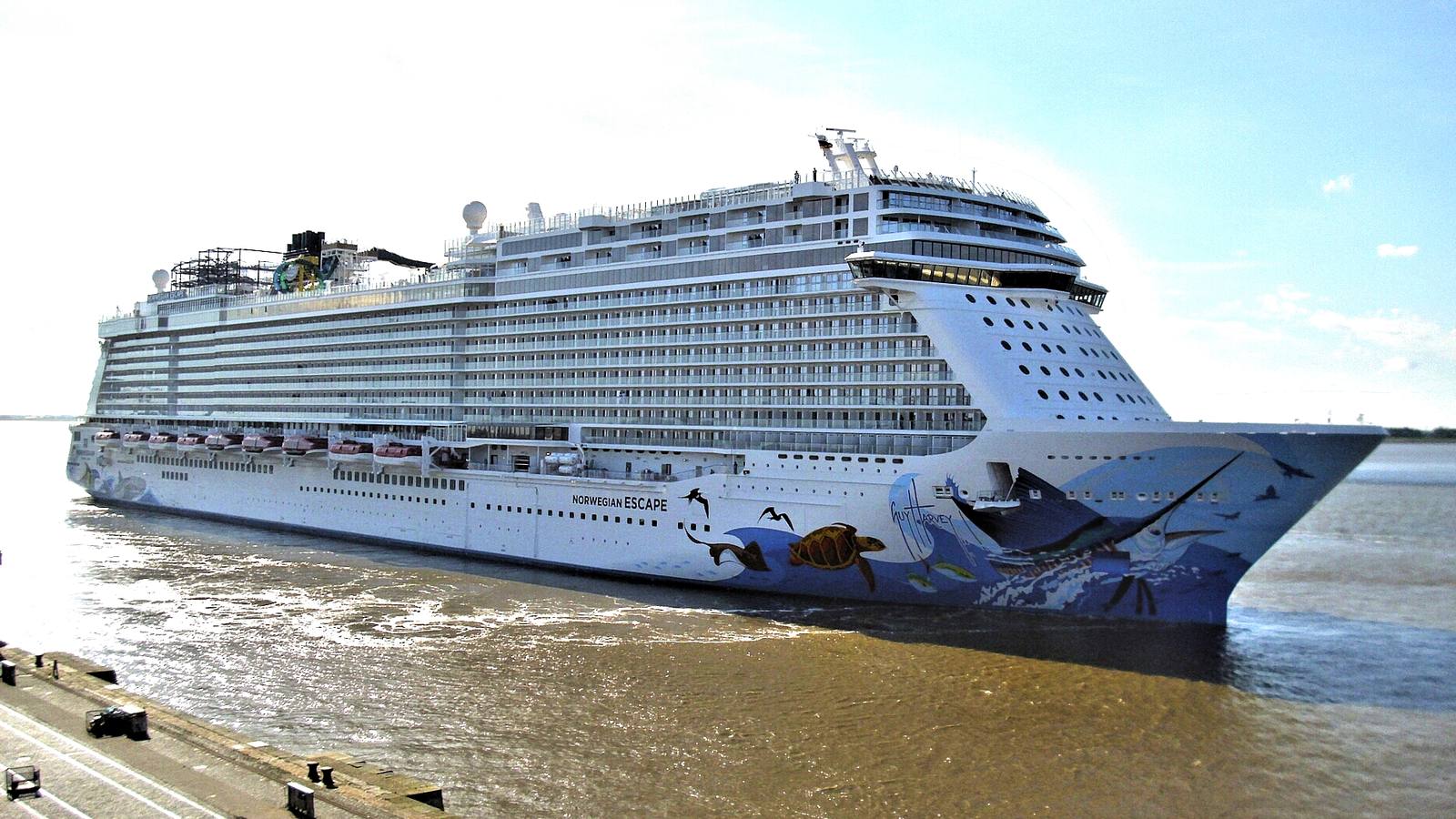
"Kosher cruise" covers three genuinely different products, and the difference matters enormously once you are out of sight of land and cannot change your mind — most of all on Shabbat. Most directories list them together without distinguishing. We label every sailing as one of three levels, and this is what each one means.
Level 1: fully kosher charter
A fully kosher charter means the whole ship, or a privatized section of it, is kashered and supervised for the entire sailing — but unless it is fully privatized you may still share the ship with guests who do not keep Shabbat.
The whole ship — or a privatized section of a larger ship — is kashered and supervised for the entire sailing.
In practice that means every galley and every dining venue operates under the program's hechsher and all meals are included, so the food question is entirely solved: you are not eating sealed trays and you are not confined to one dining room. There is normally a shul on board with daily minyanim, and on a fully privatized sailing Shabbat is observed ship-wide with the practical arrangements handled for you — keys, lifts, public areas — and the activity schedule built around the group.
Not every charter is fully privatized, and that is the distinction to pin down. On sailings where the operator kashers the ship but sells cabins to the general public — the model on the Israeli lines out of Haifa — you may share the ship with guests who do not observe Shabbat, and the ship sails and runs its programme as it would on any other day.
Suits: families, anyone who wants a yom tov atmosphere rather than a holiday with kosher food attached, and anyone who wants the catering handled end to end.
Trade-off: it is the most expensive of the three, and sailings are far less frequent, so your dates are largely chosen for you.
Ask: whether the sailing is fully privatized or shares the ship, and what specifically is arranged for Shabbat.
Level 2: kosher dining room
A kosher dining room is a mainstream cruise carrying a separate supervised kitchen and its own galley, so the food is freshly cooked but the ship around it operates completely normally.
A mainstream cruise with a separate, supervised kosher kitchen and dining room operating alongside the ship's normal operation.
There is usually a mashgiach travelling with the group and a private minyan each morning. The food is freshly prepared rather than pre-packaged, which is the main practical difference from level 3. The rest of the ship — the pools, the entertainment, the other restaurants — runs as it does for every other passenger.
Suits: couples and travellers who want a wide choice of destination and sailing date, freshly cooked kosher food, and do not need the whole ship to change around them.
Trade-off: Shabbat observance is your own responsibility, and you are a minority group on a ship that is not organised around you.
Level 3: kosher meals on request
Kosher meals on request means sealed, double-wrapped pre-packaged meals heated on board — workable on a short sailing, and unsuitable if you want fresh food or a minyan.
A standard sailing on which the cruise line supplies sealed, double-wrapped pre-packaged kosher meals, heated on board and served to you at your table.
There is no fresh food. There is no mashgiach and no organised minyan. It is, essentially, airline kosher food for a week.
Suits: a short sailing, an experienced traveller, someone joining friends or family on a mainstream cruise, and anyone for whom price is the deciding factor.
Trade-off: it is a long time to eat sealed meals, and the gap between expectation and reality here is where most disappointment with "kosher cruises" comes from.
The questions to ask before you book
Get four things in writing: who supervises the galley, what is arranged for Shabbat and yom tov, whether the ship is privatized, and what happens in port on Shabbat.
Whichever level you are looking at, get these confirmed in writing:
- Who is the hechsher, by name? Not "it's kosher" — the actual supervising authority.
- Is a mashgiach physically on board for the whole sailing?
- Is the food fresh or pre-packaged? This single question separates level 2 from level 3 more reliably than any brochure wording.
- What happens on Shabbat? Specifically: minyan, keys, lifts, whether the ship sails, and whether anything is arranged or you are on your own.
- Is the sailing fully privatized, or are cabins sold to the general public?
- Where is the kosher dining room and when does it serve? On some ships it operates at fixed sittings that do not match the rest of the ship.
- What happens in port on yom tov or Shabbat? Some itineraries dock on days you will not be disembarking, which changes what you are paying for.
Why the taxonomy matters
Almost nobody else labels these three levels, which is exactly how a family books what they believe is a kosher cruise and finds out on day two that it is something else.
Almost nobody else in kosher travel distinguishes these, which is how a family books what they believe is a kosher cruise and discovers on day two that it means sealed trays — or that the ship runs its full programme on Shabbat. Every cruise on this site carries its level on the listing, before you click, and you can filter by it directly: a fully kosher charter, a kosher dining room, or meals on request.
If you are unsure which level fits how your family actually travels, the 60-second quiz asks the question directly, and the quote service is completely free.