Booking a Pesach program is one of the larger discretionary purchases a family makes, and it is made almost entirely on trust, months in advance, often for a property nobody in the family has seen. These are the questions that do the most work. A well-run program will answer all of them without hesitation.
Supervision
Ask for the rav hamachshir by name, whether he is on site for all eight days, and the gebrokts and kitniyot policy — and treat a refusal to confirm supervision in writing as the answer.
1. Who is the rav hamachshir, by name? Not "it's glatt" and not the name of the agency alone. A named supervising rav you can look up. If an operator will not confirm supervision in writing, that is your answer.
2. Is the mashgiach on site for the whole program? Continuous supervision and a visiting inspection are different things. Ask which one this is.
3. Is the kitchen gebrokts or non-gebrokts? And kitniyot? If your family keeps non-gebrokts, a program that serves gebrokts is simply not an option, and no amount of quality elsewhere changes that. Ask this early rather than late. (Both terms are explained in our plain-English guide.)
4. Is the hotel fully privatized? A privatized property means every kitchen and public area operates under the program. A partial takeover means sharing the hotel with regular guests over yom tov, which some families are entirely comfortable with and others are not.
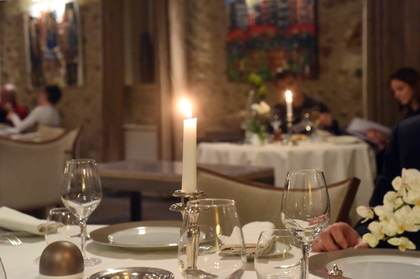
The food
Establish how the Sedarim are seated, what the tea room actually runs, and how allergies and children's meals are handled, because these are the details that shape eight days of eating.
5. What are the meal arrangements on the Sedarim? Communal, family tables, or in-room? For a large family this shapes the two most important nights of the trip.
6. Can they cater for allergies, coeliac or other dietary needs? Ask specifically, and ask whether it costs extra. Programs with a separate gluten-free kitchen say so.
7. What is the tea room actually like? Sounds trivial; it is not. On most programs the tea room is where a large part of the eight days is spent, and its hours and quality vary enormously.
The practicalities
Get the total price for your exact party — every child by real age, the room category, and what sits outside the number — plus the cancellation terms in writing.
8. What is the total price for my exact party? Not the per-adult headline. Every child by actual age, the room category, and whether excursions, transfers and tips are inside or outside that number.
9. What is the cancellation policy, in writing? Deposits are often substantial and frequently non-refundable after a date. Know the date.
10. What room are we actually getting? Category, bedding, whether it connects, and what happens if the category you booked is not available on arrival. Connecting rooms and family suites sell out first.
11. What is included for children and teens, and at what ages? "Kids' club" can mean a supervised full-day programme or an hour of crafts. Ask for the hours, the ages covered, and whether it runs on Chol Hamoed and yom tov.
12. How many years have you run this specific property? This is the single most revealing question on the list. An operator's tenth season at a hotel is a very different proposition from their first, however long the company itself has existed. New properties are not automatically a problem, but you should know which one you are buying.
What good answers sound like
A program that has run for years answers on supervision, child pricing and cancellation dates immediately and specifically; vagueness on kashrut or on money is the signal worth acting on.
Specific, quick, and without deflection. A program that has run for years knows its rav hamachshir, its child pricing and its cancellation dates cold. Vagueness on supervision or on money is the signal worth paying attention to — not because an operator is necessarily hiding something, but because a program that cannot answer clearly in September is unlikely to be better organised in April.
Making it easier
Several of these are already answered before you call: every listing here publishes the rav hamachshir, the gebrokts and kitniyot status, the hotel and a real price band.
Every listing on this site publishes the rav hamachshir, the gebrokts and kitniyot status, the hotel and a real price band before you click, so several of these questions are answered before you pick up the phone. Compare programs side by side on the Pesach page, or tell us your requirements once and let matching programs come back to you — the quote service is completely free.