Why Arizona, and who it suits
Most Pesach destinations ask you to accept a trade. Greece is cheaper but it is a long flight. The Catskills are a drive but April there is a gamble. Israel is where you want to be but the airfare peaks harder than anywhere else on the calendar.
Arizona's trade is narrower than most: you pay an American price, and in return you get weather you can plan around and a domestic flight to get to it. For a family that has spent one Pesach watching rain run down the window of a mountain hotel, that is not a small thing.
It suits, in particular, families who want the outdoors to be part of the holiday rather than a backdrop — a pool that is usable every single day, meals that can be eaten outside, and Chol Hamoed plans that do not need a wet-weather alternative.
The area
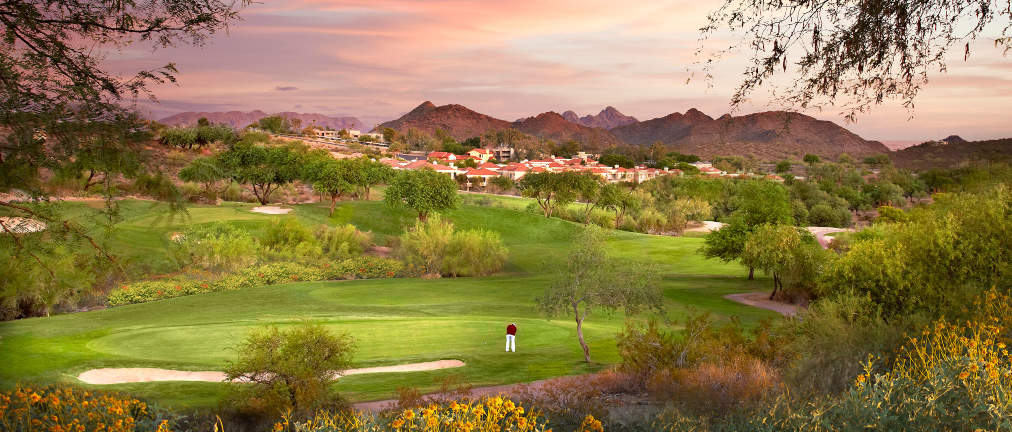
Programs here run in the Phoenix valley, which for practical purposes means Phoenix itself and Scottsdale next door. The resorts are desert properties: low-rise, spread out, built around pools and shade, usually with golf and a spa attached.
The setting is genuinely different from a beach or a mountain program. The Sonoran desert is dramatic rather than pretty, and the landscape does most of the work — the resorts tend to be oriented outward, toward the mountains and the light, rather than inward toward a lobby.
North Phoenix, where the Tapatio Cliffs property sits, is up against the Phoenix Mountains Preserve, which means trails start more or less at the edge of the resort.
What it costs, honestly
The single program we list opens at $15,900 per adult. That is toward the top of the American range, and it is worth being clear about why: Arizona resort programs are buying a high-season desert property in its best month, and the weather that makes late April perfect for you also makes it the most expensive week the hotel sells.
Against that, count what you are not paying. There are no international flights, no passports, no connections, and for a large family that difference frequently runs into five figures at Pesach fares. A program that looks more expensive per adult than one in southern Europe often is not, once six seats are in the arithmetic.
What to ask before you book
The questions that matter most in Arizona specifically:
- Is the hotel taken over, or is the program sharing it? American resorts frequently run a Pesach program alongside regular guests. That is perfectly workable and entirely normal — it is just worth knowing rather than discovering.
- Where is the shul, and how far is it from the rooms? These are spread-out properties. A five-minute walk across a resort in 33°C heat is a different proposition on yom tov than it looks on a map.
- What is the shade situation at the pool? The thing families underestimate every year.
- Are Chol Hamoed trips included or charged? Sedona and the Grand Canyon are long drives that need organised transport to be worth doing.
The general list applies here too — see the 12 questions to ask before booking any program.
If Arizona does not work out
Arizona is a thin market, and in a given year there may be one program or none. The closest substitutes by feel are Florida for warm weather with a beach instead of a desert, and the Catskills and the rest of New York if a drive matters more than the forecast. The full American picture is here, and if nothing fits, tell us what you are looking for — it is free, and we will go and find it.